
The virus that “eats” bacterias
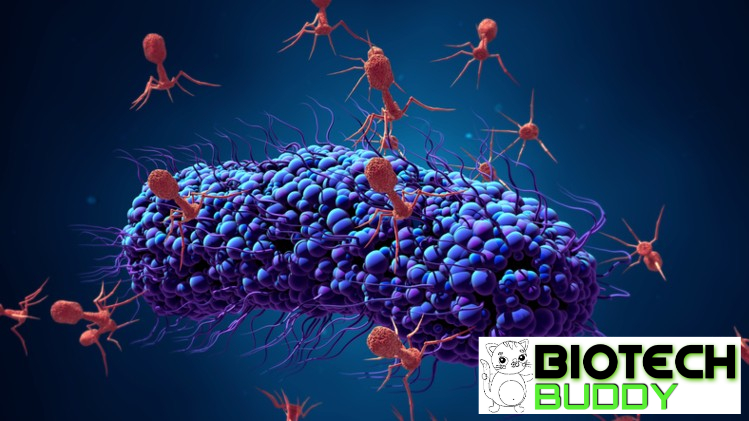
A bacteriophage is a virus that infects and replicates within a bacteria and archaea( bacteria like organism)
History of bacteriophages
So how did we come to know about such a virus that destroys bacteria
It all started in 1896, Ernest Hanbury Hankins an English bacteriologist reported that something in the waters of India had marked antibacterial action against cholera(bacterial disease) and it could pass through fine porcelain filter(that time fine plorcelian filter could filter out all bacteria no known organism could pass through it
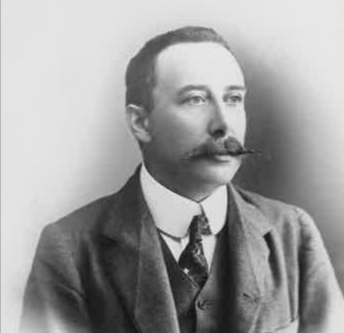
In 1915,Frederick Twort an English bacteriologist discovered a small agent that infected and killed bacteria , he believed the agent must be one of the following

- A stage in the life cycle of the bacteria
- An enzyme produced by the bacterias themselves
- Or a virus that grew on and destroyed the bacteria
Then in 1917,Felix d’Herelle a French-Canadian microbiologist announced that he had discovered an invisible antagonistic microbe of dysentery bacillus, a virus parasitic to bacteria(during that time their were no electron microscopes and most viruses can’t be seen using the light microscope )
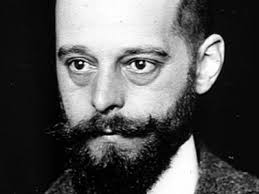
Felix called the virus a bacteriophage, a bacteria eater (from the Greek phagein meaning to devour)
What a bacteriophage really is
Bacteriophage like any other virus is composed of protein coat surrounding a core genetic material (DNA or RNA)
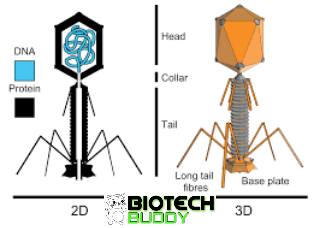
Life of bacteriophages
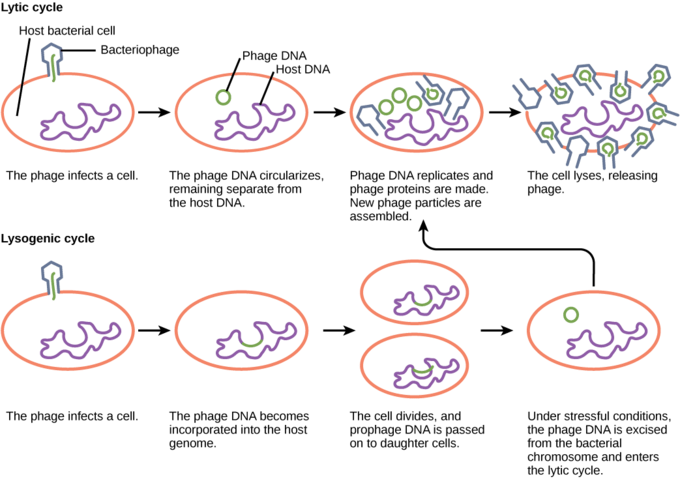
For reproduction the virus attaches onto the bacteria or archea(host cell) and injects genetic material into the host cell It can then undergo either one of the two life cycles, lytic or lysogenic cycle
Lytic cycle
In the lyctic cycle the phage genetic material is replicated, several copies are formed by the protein synthesising unit of the hostThese phage genetic materials get coated with a protein then they become separate individual phages which when high in number makes the bacteria to explode (lyse) killing the bacteria, releasing new phages
Phages that undergo lytic cycle are termed as lytic phages an example is T4 phage which infects E.Coli found in human intestinal tract
Some lytic phages undergo a phenomenon known as lysis inhibition where complete phage progeny will not immediately lyse out when extracellular phage concertration is high. T4 phage remains an example
Lysogenic cycle
Here the injected phage genetic material is integrated into the genetic material of the host
The genetic material formed as a result of integration is called the prohage. So if the infected bacteria undergoes division, it passes the prohage to the next generation Such transition of viral genetic material can take place through several generations of bacterium without major metabolic consequences, harmlessly
Eventually the phage genes at certain conditions will revert to the lytic cycle leading to release of fully assembled phages. Phages that undergo lysogenic cycle are termed as temperate phages. An example is the lambda phage
In lysogenic cycle, the new integrated genetic material adds new functionality to the host genome in a phenomenon known as lysogenic conversion.
So some phages carry genes that encode toxins these genes once integrated into bacterial(host) chromosome can cause the once harmless bacteria to release potent toxins that cause diseaseas for example vibrio cholera(“harmless bacteria) when infected by CTX phage causes this bacteria to express genes for cholera toxin leading to the disease cholera
How humans are making use of bacteriophages(applications)
As bacteriophages have antibacterial effect, they have a variety of applications
Phage therapy
One of the applications is phage therapy. This is the use of phages to treat pathogenic bacterial infectionsThis has been used in treatment of dysentery, anthrax.The phage therapy came with some advantages
- Specificity: bacteriophages only infect the target bacteria this way it doesn’t have any effect on normal flora(useful organisms in humans) or on human cells
- Low chances of antibiotic resistance since bacteriophages destroy their host completely
- Cheap compared to antibiotics
Lytic phages are more suitable for phage therapy unlike temparete phages, this is because of lysogenic conversion
Phage therapy also has some limitations
- One is the difficulty in finding an effective phage for a particular infections, one has to know the bacteria and the specific phage that can destroy it
- Another limitation is lysogenic conversion, this can provide the Bacteria with novel capabilities that could increase resistance, rate of multiplication..
- The effect of phages in humans has not been fully determined internationally
Other application of phages
- Decontamination of food by removing E. Coli, salmonella enterica
- Maintaining the bacterial balance in human body
- Agriphage spray used to control black spot disease in tomato and paper plants caused by xanthomonas and pseudomonas
- As antibacterial disinfectants

Rate this summary, don’t hesitate to comment
For the next summary we shall look at the science of cancer
 BIOTECH FOR GOOD
5 responses to “BACTERIOPHAGE”
Great work keep it up
LikeLiked by 1 person
Great work keep it up
LikeLiked by 1 person
Another one plz
LikeLiked by 1 person
….
LikeLiked by 1 person
This is it
LikeLiked by 1 person